Plan

Data - Think - Do
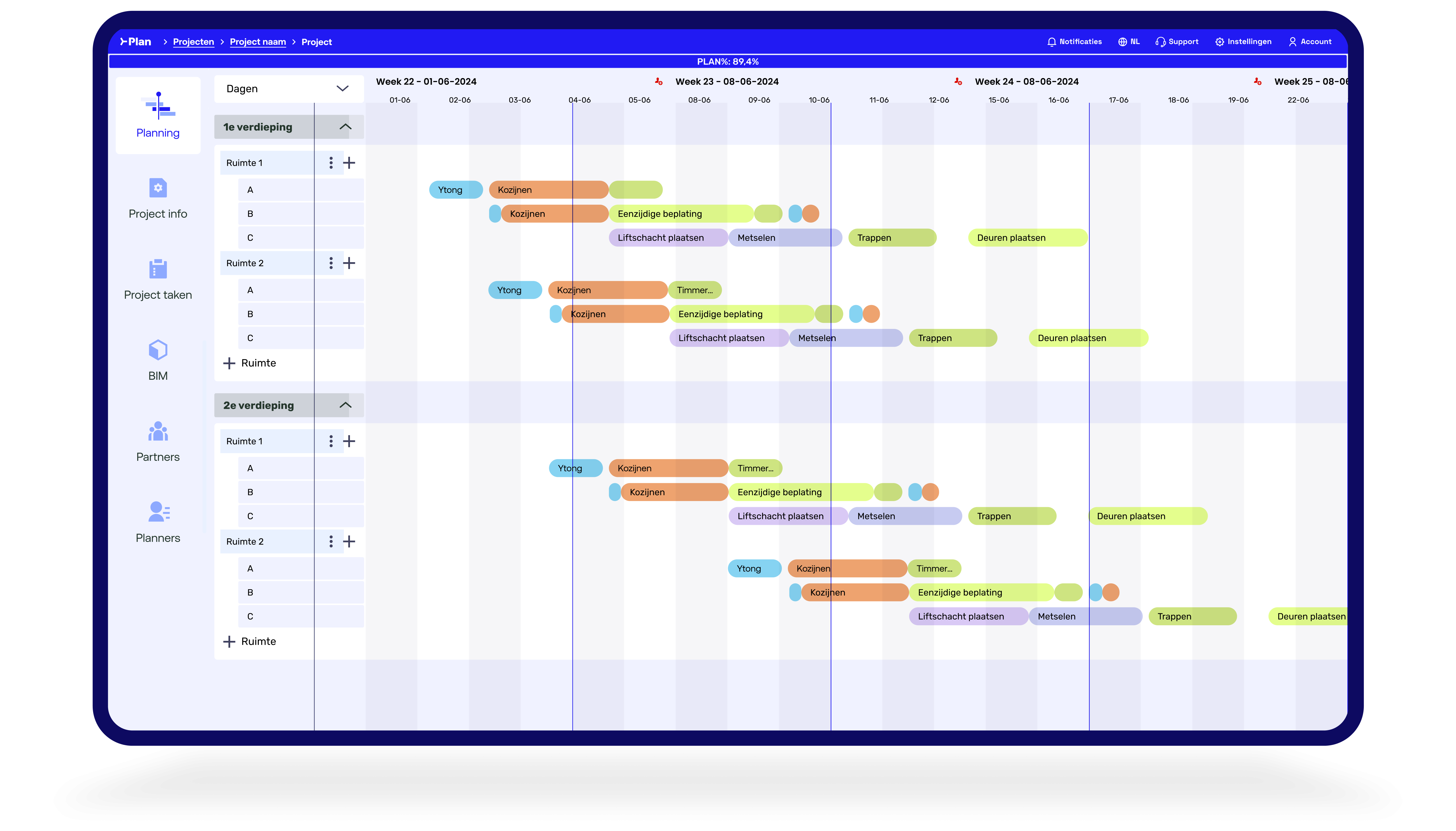
A good plan makes all the difference
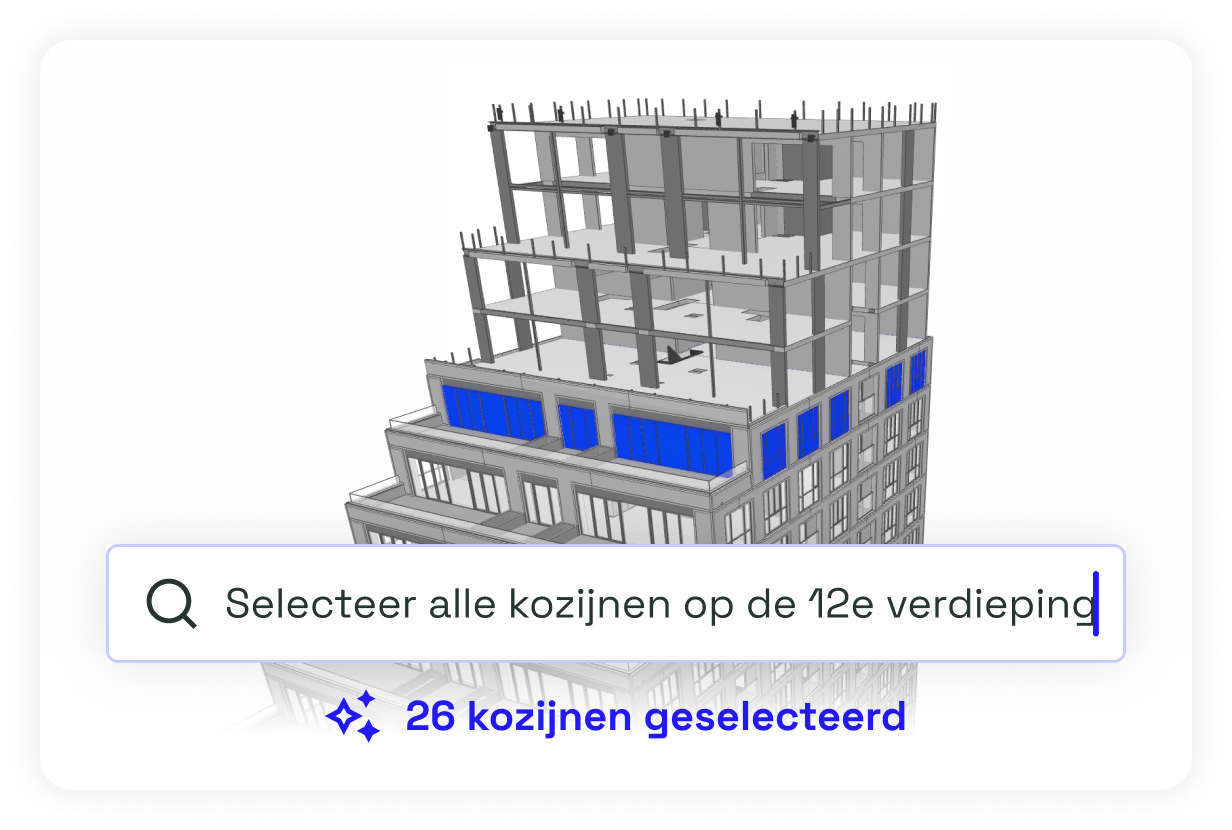
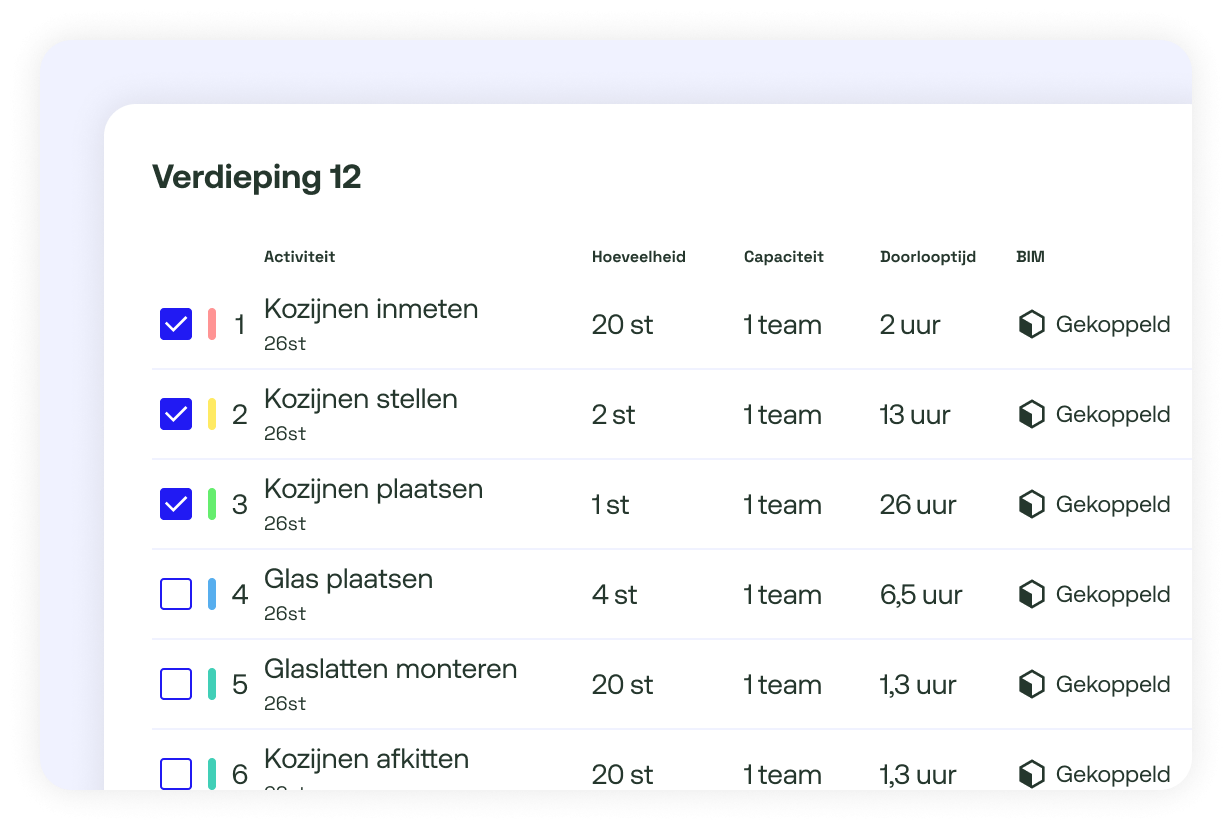
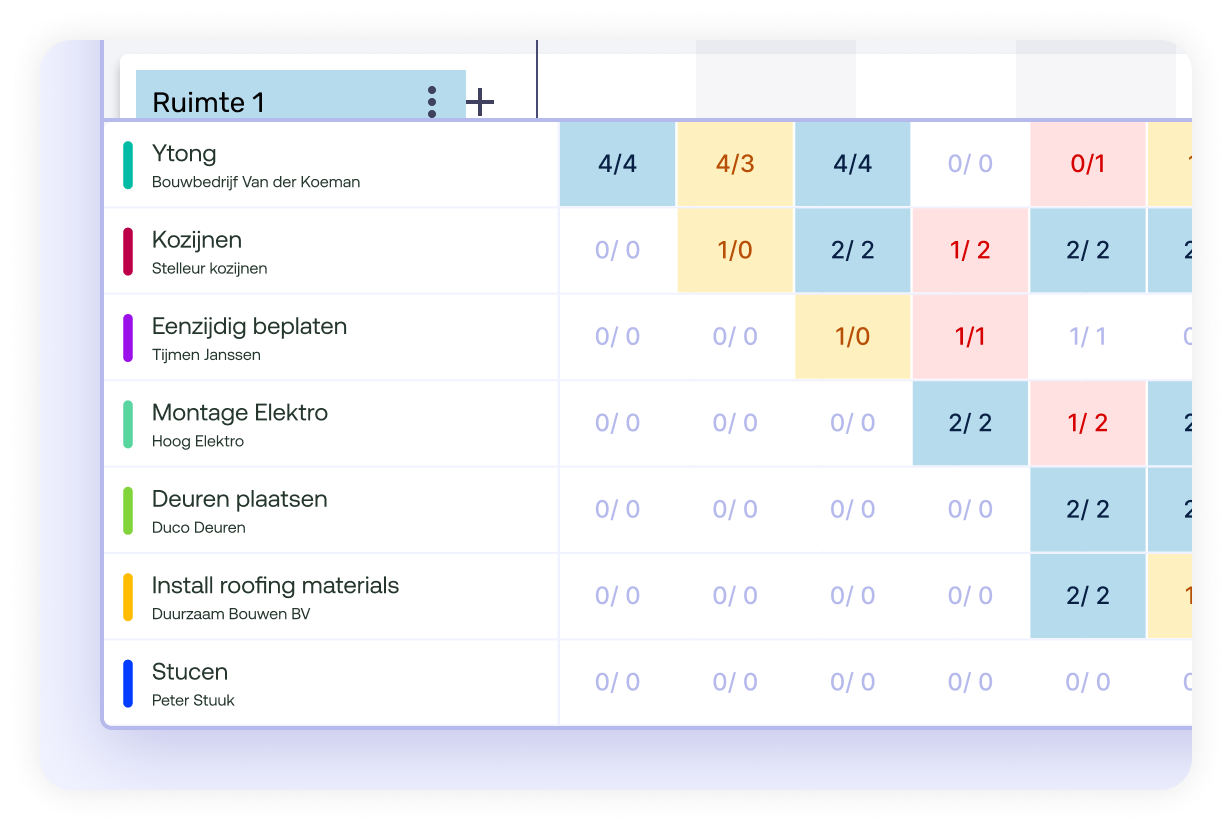
A logical foundation for any project
KYP PLAN was created to provide a realistic basis for determining the most optimal construction time during project preparation. Knowledge of LEAN principles, the “last planner principle,” or simply common sense (logical) understanding of construction is converted by KYP PLAN into a schedule with a construction time tailored to the desired construction time or delivery date, the capacity of the project partners, and the complexity of the construction task.

Location-based planning is crucial for determining the optimal construction schedule with the commitment of all project partners.
At KYP PLAN, the location where the activities are to take place is the starting point for planning. The duration of the activities is based on the quantity from a calculation or BIM model, combined with the standards for the activities in terms of quantity per unit of time. For bricklaying, for example, this is 1,000 bricks per day.
To achieve the desired completion date, you only need to consider the deployment of the number of project partners (capacity). The optimal planning is then created by coordinating all project partners. This prevents one party from having to wait for another.
- The correct project data forms the basis for optimal planning.
- Capacity information ensures coordination between parties and
determines the optimal construction time. - Coordination between the project partners means that everyone is committed to the goal of the planning.
KYP PLAN: making plans with commitment

Make plans together
- Create a schedule using information from the project and partners.
- After comparing ‘desired’ and ‘available’ capacity, create the optimal construction schedule.
- Create reliability with digital input (from BIM) and human commitment.

Simplicity for Project Partners
- Project partner availability and/or capacity is relevant for an optimal schedule
- Commitment will increase with realistisc capacity decisions.
- Variation in capacity can improve efficiency
Pro actieve management info
- Company specific standards make every schedule more reliable and creates valuable data.
- Integration of information from calculation or BIM gives every project a solid foundation for realistic project updates
- Project Partners have more value when they are committed to the project goals.
KYP PLAN pricing:
Try KYP PLAN
Start for free
Try KYP PLAN for one month. No obligations. A schedule that works.
KYP PLAN
Per location per month, billed annually (€3,000,- per year)
- Location-based planning
- BIM and calculation integration
- Capacity planning with project partners
- Company standards as the basis for every schedule
- Commitment from all parties involved
Ready to Build Better?